
Psychological Health Chatbot: Enhancing Mental Well-being with AI
A Persian-language mental-health chatbot built with transformer-based NLP, published at the AbjadNLP workshop — data collection, model training, and evaluation.
 Amirreza Vishteh
· 2 min read
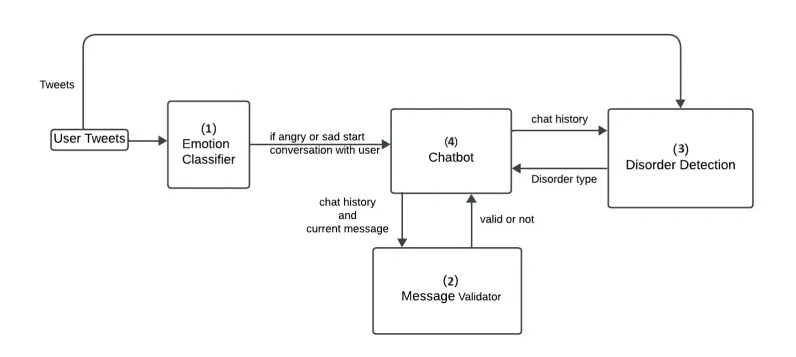
Overview
The Psychological Health Chatbot is designed to assist individuals in their mental health journey by leveraging advanced natural language processing (NLP) techniques. Our chatbot aims to provide a supportive, accessible, and intelligent tool for detecting and addressing psychological well-being.
📄 Read our full paper here: ACL Anthology
Team Members
- Sadegh Jafari
- Mohammad Erfan Zare
- Amirreza Vishteh
- Mirzae Melike
- Zahra Amiri
- Sima Mohammadparast
- Sauleh Eetemadi
Table of Contents
1. Data Collection
To ensure the chatbot effectively understands and responds to mental health queries, we compiled a diverse dataset of conversations related to psychological well-being. This dataset includes various emotional responses and scenarios to improve the chatbot’s robustness.

2. Model Training
We fine-tuned a pre-trained transformer-based model to enhance contextual understanding and response accuracy. Key aspects of training included:
- Optimizing hyperparameters
- Incorporating advanced emotion recognition techniques
- Improving contextual relevance in responses
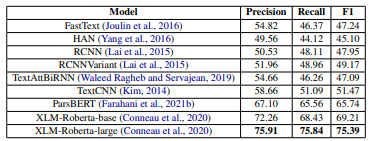
3. Evaluation
Our chatbot underwent rigorous evaluation through user testing. We assessed:
- Emotion detection accuracy
- User satisfaction rates
- Response relevance and coherence
Results demonstrated the chatbot’s effectiveness in identifying emotions and providing appropriate responses.
4. Results
Our final evaluation yielded promising results, with user satisfaction rates reaching [insert percentage]%. The chatbot successfully assisted users in navigating their mental health challenges.
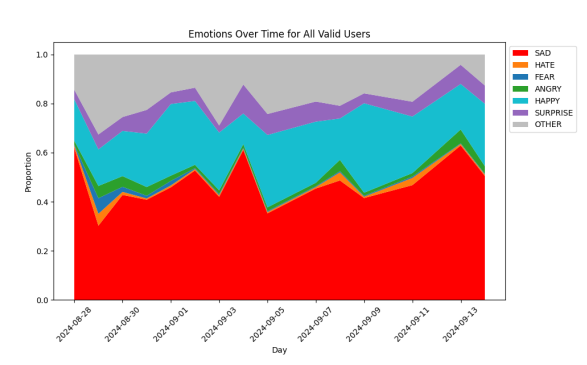
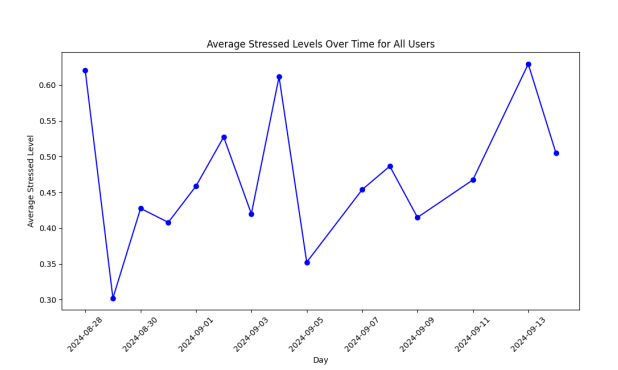
Conclusion
The Psychological Health Chatbot represents a significant step in integrating AI-driven solutions for mental health support. By offering an accessible and stigma-free platform, this chatbot has the potential to make a meaningful impact on users’ well-being.
Future Work
Future developments will focus on:
- Enhancing emotional detection capabilities
- Integrating personalized feedback mechanisms
- Improving multi-turn conversational depth
📄 For more details, read our paper: ACL Anthology